7 October 2026
Windshield survey vs. satellite yard audit: which one actually finds idle iron?
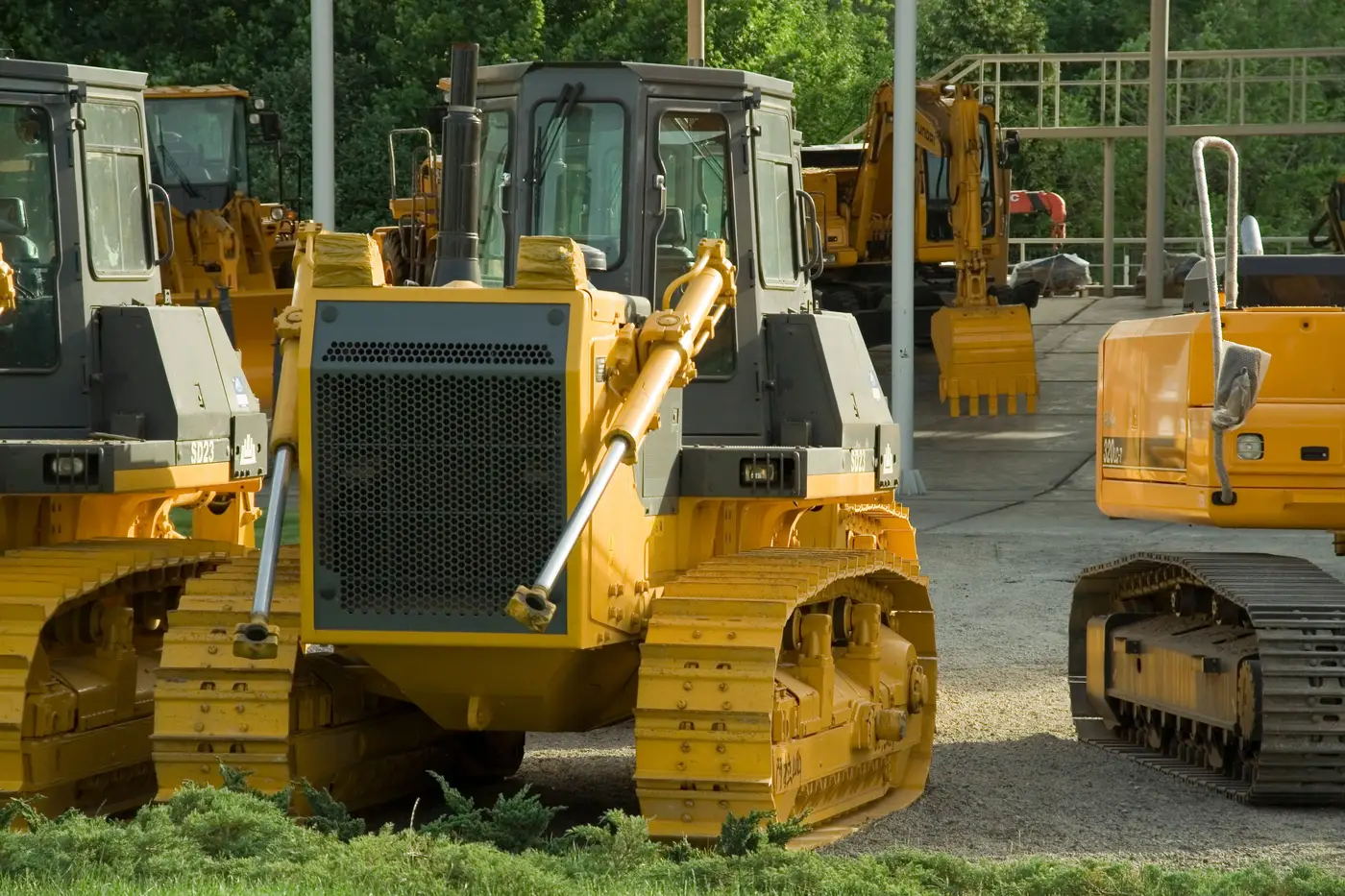
If you run a fleet across a dozen or more yards, you've probably done both at some point: sent a branch manager out with a clipboard to eyeball what's moved, and stared at a telematics dashboard that's missing half the units it should be reporting on. Neither one is wrong exactly. They just answer different questions, and they both cost you something.
What a windshield survey tells you
A windshield survey is what it sounds like. Someone drives the yard, looks at what's where, and notes which units look like they haven't moved since last visit. Tire tracks in the gravel, dust on the glass, a forklift parked in the same spot three weeks running. It's cheap in the sense that it doesn't need new hardware, and it works fine for a single yard with forty units and one person who knows every machine on sight.
It stops working at scale. A regional manager covering six yards can't do a windshield survey of all of them in a week without it becoming most of their job. And the read is only as good as the person doing it: a dozer backed into a corner for repairs looks identical to one sitting idle because nobody's called for it. You get a snapshot, once, from one person's eyes, and then it's stale the next day.
Where telematics reconciliation and spot checks fall short
The obvious next step is telematics, except most rental fleets don't have full coverage. Older units never got a box installed, some units have feeds that stopped reporting eighteen months ago and nobody noticed, and third-party or subbed-in equipment has no feed at all. So you end up reconciling telematics data against a spreadsheet of what should be out there, then sending someone to do a manual spot check on whatever the data can't explain. That's two systems, two sets of errors, and still a windshield survey at the end of it for the units telematics never saw in the first place.
What a satellite yard audit changes
A satellite yard audit compares imagery of the same yard between two passes, looking at where each unit sits and whether the ground around it has been disturbed, then flags which ones have been worked and which have sat parked in place. No box to install, no feed to go dark. It covers every unit in the yard the same way, including the ones telematics never talked to.
The tradeoff is cadence. Satellite imagery at this resolution refreshes on a weekly cycle, not in real time, so it's not the tool for catching a unit that moved yesterday afternoon. It's the tool for the question fleet ops asks every week: which units sat still across every yard, so you know what to redeploy or list before it depreciates another month doing nothing.
For a fleet manager deciding what to pull and sell versus what to ship to a busier yard, that weekly read across every location beats a windshield survey that only covers the yards someone had time to drive, and it closes the gap telematics reconciliation leaves open. Asset Utilisation Monitor builds exactly that: a map layer showing idle versus active units per yard, refreshed weekly from satellite imagery, no telematics required.
If your Monday still starts with a drive-by of the yard, it might be worth seeing what a weekly idle/active map looks like instead.