2 November 2026
What is a cold yard in equipment rental fleet management?
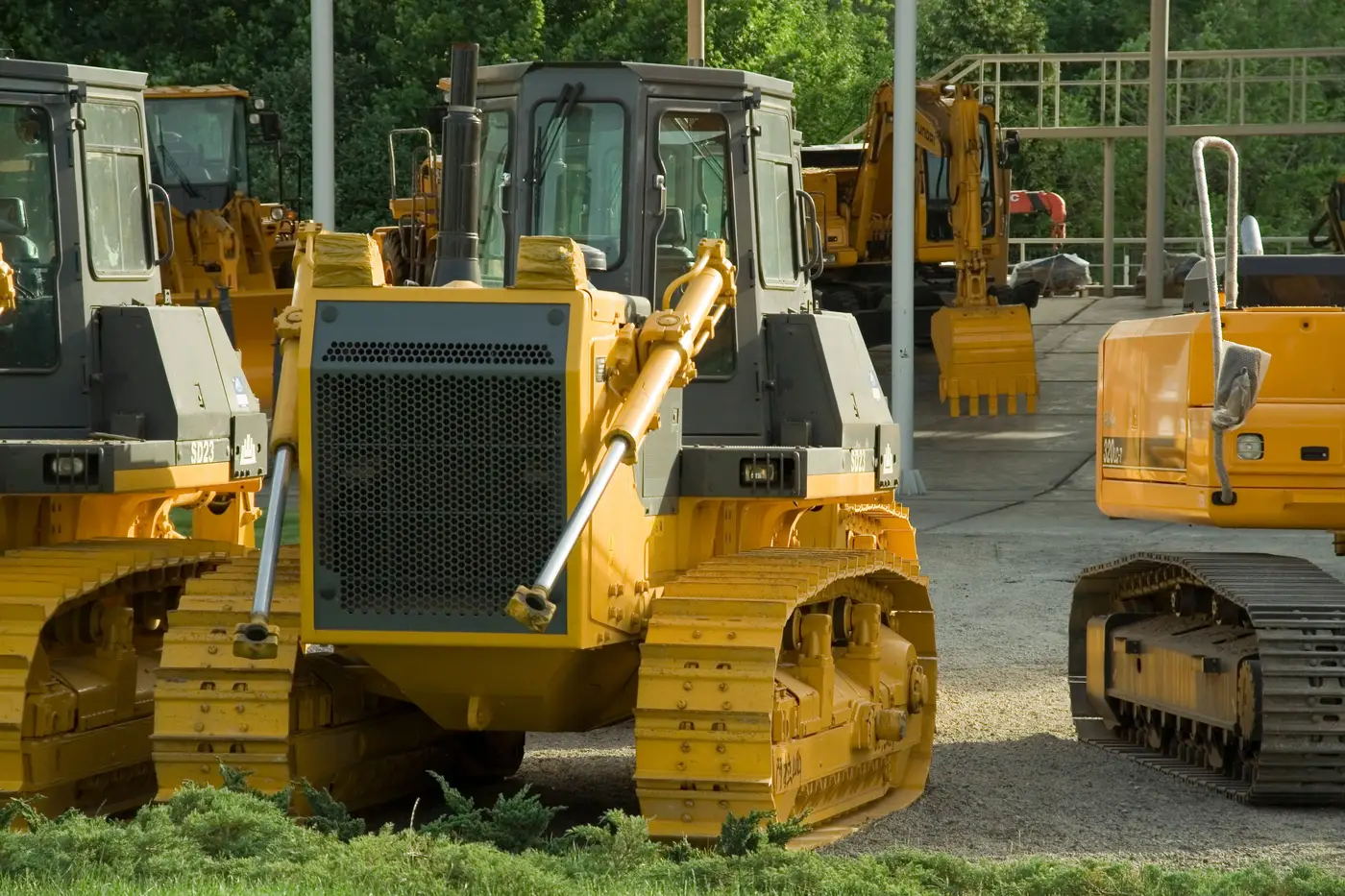
Every branch has one, even if nobody calls it that on the org chart. A cold yard is the lot, satellite storage site, or back corner of a bigger yard where units sit when they're not out on rent and not actively being prepped for the next job. Compressors, skid steers, light towers, a few booms that came back off a project three months ago and never got re-rented. They're sound units sitting idle, waiting for a job that hasn't shown up yet.
The term comes from the same logic as a "cold" warehouse slot versus a "hot" pick location. Hot inventory moves. Cold inventory waits. In fleet terms, a cold yard holds units that aren't in the active rotation, whether that's because demand dipped in that region, the unit needs a repair nobody's scheduled yet, or it simply got dropped off and forgotten.
Cold yard vs active yard
An active yard is where the dispatch board actually lives. Units roll in off a return, get washed, inspected, fueled, and go back out within days. That's your core utilization engine, the yard a branch manager checks every morning.
A cold yard, or overflow storage yard, is the opposite rhythm. Units might sit for weeks between any kind of activity. Some rental companies run a dedicated overflow lot a few miles from the branch because the main yard doesn't have room. Others just let cold units accumulate in the far rows of the active yard, which is worse, because it looks like inventory that's "there" when half of it hasn't moved in a season.
Get this distinction wrong and your utilization number stops meaning anything. A unit sitting cold for 60 days drags down your fleet-wide utilization rate the same as a unit on rent for 60 days boosts it. If branch managers don't know which units are cold versus active, they're reporting a number that doesn't reflect reality, and corporate ends up making redeploy and buy decisions off bad data.
Why cold yard inventory goes stale
Cold yards drift because nobody's job is to watch them. The branch's attention goes to what's moving, which makes sense, that's where the revenue is. Meanwhile a telehandler sits in row 12 because the last renter returned it to the wrong location, or because it came back needing a hydraulic fix that's been on a tech's list for six weeks, or because a regional manager genuinely forgot it existed.
If your fleet runs telematics on every unit, this is a solvable problem with a dashboard. The trouble is most rental fleets don't have telematics on everything. Older units, rented-in units, attachments, small equipment under a certain rental rate threshold, a lot of that gear has no GPS and no engine-hours ping. For those units, the only way to know if they're cold is to physically go look, which is where the windshield survey comes in: someone drives the yard with a clipboard or a phone, counts what's there, and tries to remember which units moved since last time.
That works until a region has six or eight yards and overflow lots scattered across a few hundred miles. Windshield surveys don't scale, and telematics retrofits are expensive and slow to roll out across an older fleet.
Spotting cold units without chasing telematics data
This is the gap Asset Utilisation Monitor is built for. It compares satellite imagery of the same yard from one week to the next, looking at a unit's position and the ground disturbance (tire tracks, wear patterns, cleared snow or dust) around it. If a unit hasn't moved and the ground around it hasn't changed, it flags as idle. If it has, it flags as active. No telematics unit required, no one driving the lot with a clipboard.
For a fleet ops manager trying to figure out which cold yard units are worth moving to an active branch, selling off, or just leaving where they are, that weekly read turns a guessing exercise into a list. You can see the current idle-vs-active map layer for your yards through Asset Utilisation Monitor and get a clear read on what's idle before deciding what moves next.