13 October 2026
Redeploy or sell? A framework for end-of-life rental units
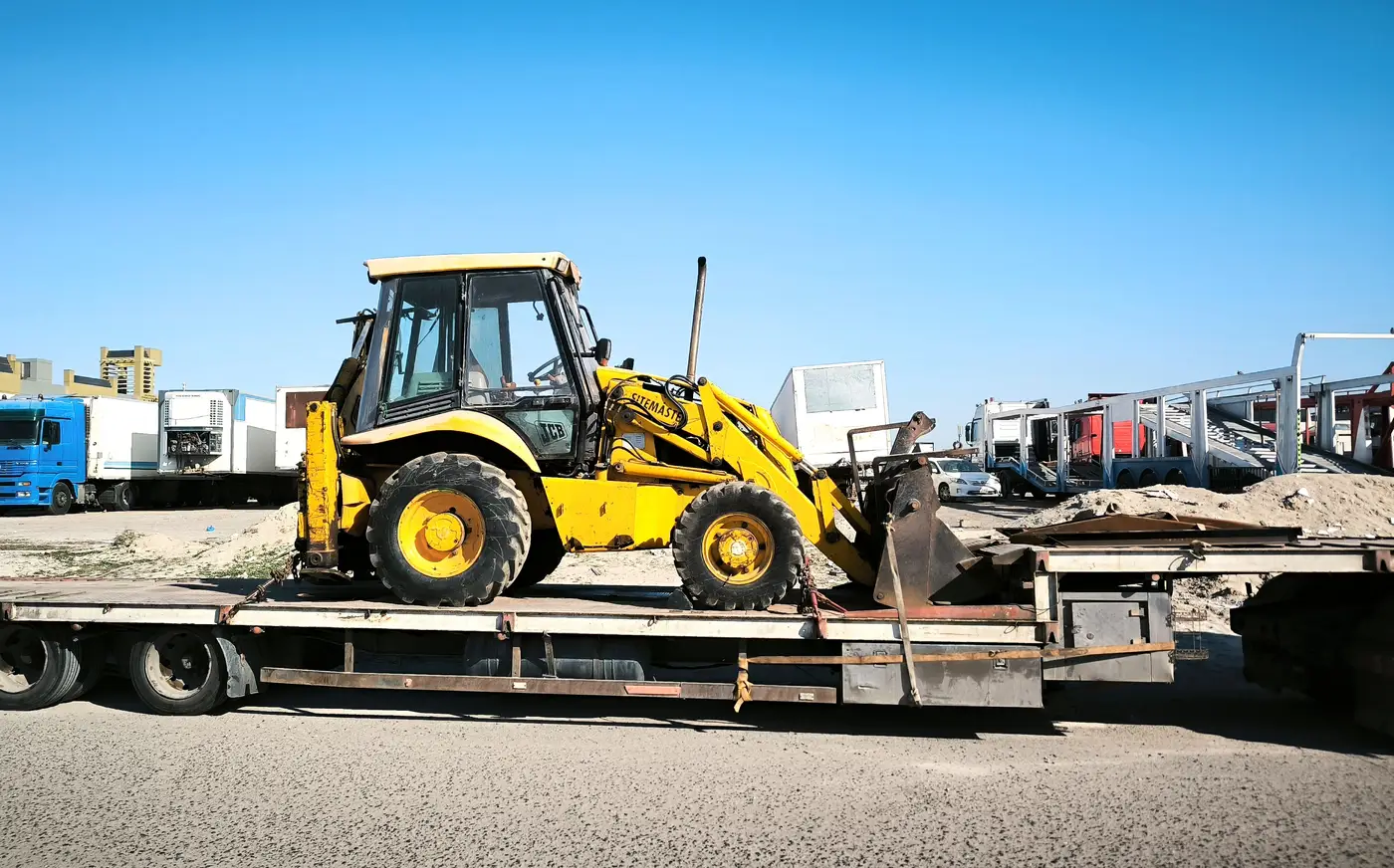
Every branch manager has a yard with three or four units sitting in the back row that nobody's dispatched in months. Some of them are dead weight because nobody local needs that class of equipment this quarter. Others are dead weight everywhere: wrong spec, too many hours, a recurring fault that keeps sending them back from the job site. The first group is a transfer. The second is a wholesale lot.
That distinction is the whole redeploy-vs-sell decision, and most fleets get it wrong the same way: they sell units that just need a transfer to a branch with live demand for that rate class, and they hang onto units that have been parked at every yard they've touched for the last two years.
Start with utilization, not age or book value
Depreciation schedules and meter hours tell you what a unit cost you. They don't tell you what it's earning right now. A five-year-old skid steer with low hours but six months idle at a branch with no demand for that class is a worse asset than an eight-year-old one that's out on rent most weeks three states over.
The sort that matters: pull every unit idle longer than your branch's normal dispatch cycle, usually two to four weeks depending on category, and split that idle list into two piles. Pile one is units idle because nobody local needs that class right now. Pile two is units idle because nobody anywhere needs them: wrong spec, outdated controls, high-hour units in a saturated category, or the same unit that keeps coming back from a job with the same recurring fault.
Pile one is a redeploy candidate. Pile two is a sell candidate. Age and remaining book value settle ties between two units that already landed in the same pile, once the idle split is done.
Where the decision breaks down
Most fleets don't get this wrong because the logic is unclear. They get it wrong because the idle list feeding the decision is bad. Telematics only covers units with a modem installed and reporting, which on an older or mixed fleet is rarely everything. Windshield surveys catch what a yard supervisor happens to notice that week, and a supervisor with forty acres to walk isn't counting every trailer in the back row every Tuesday.
So the redeploy-vs-sell call gets made on partial information, usually whatever the branch manager remembers off the top of their head, and the safe move becomes selling anything that looks questionable rather than confirming it. That's how fleets wholesale units that would have earned out fine at a branch two hundred miles away, while "dead iron" piles up at branches with more idle capacity than anyone's tracking.
A workable end-of-life review cadence
Run the redeploy-vs-sell review on a fixed schedule, monthly for high-turnover categories like compaction and aerial, quarterly for heavier iron, rather than only when a branch manager raises a flag. At each review:
- Pull the true idle list for every yard, not just the units with working telematics.
- Check regional demand for that rate class before assuming a unit is dead weight.
- Flag units idle across two or more consecutive review cycles regardless of branch. Those are the real sell candidates.
- Price the transfer cost, hauling, prep, downtime in transit, against likely utilization at the receiving branch before committing to a redeploy.
The categories that repeatedly land in pile two tell you two things at once: sell this unit now, and stop ordering that spec next cycle.
Getting the idle list right is the hard part, and it's the part most fleets are guessing at. Asset Utilisation Monitor builds that list from weekly satellite passes over every yard, flagging which units have moved or shown ground disturbance since the last pass and which haven't, so the redeploy-vs-sell call starts from an idle count you can trust instead of a supervisor's memory or a telematics feed with gaps in it.
If reconciling your idle list by hand is eating into decision time, take a look at how a weekly asset utilisation map could close that gap.