9 November 2026
Auction or trade-in: deciding what to do with underused rental equipment
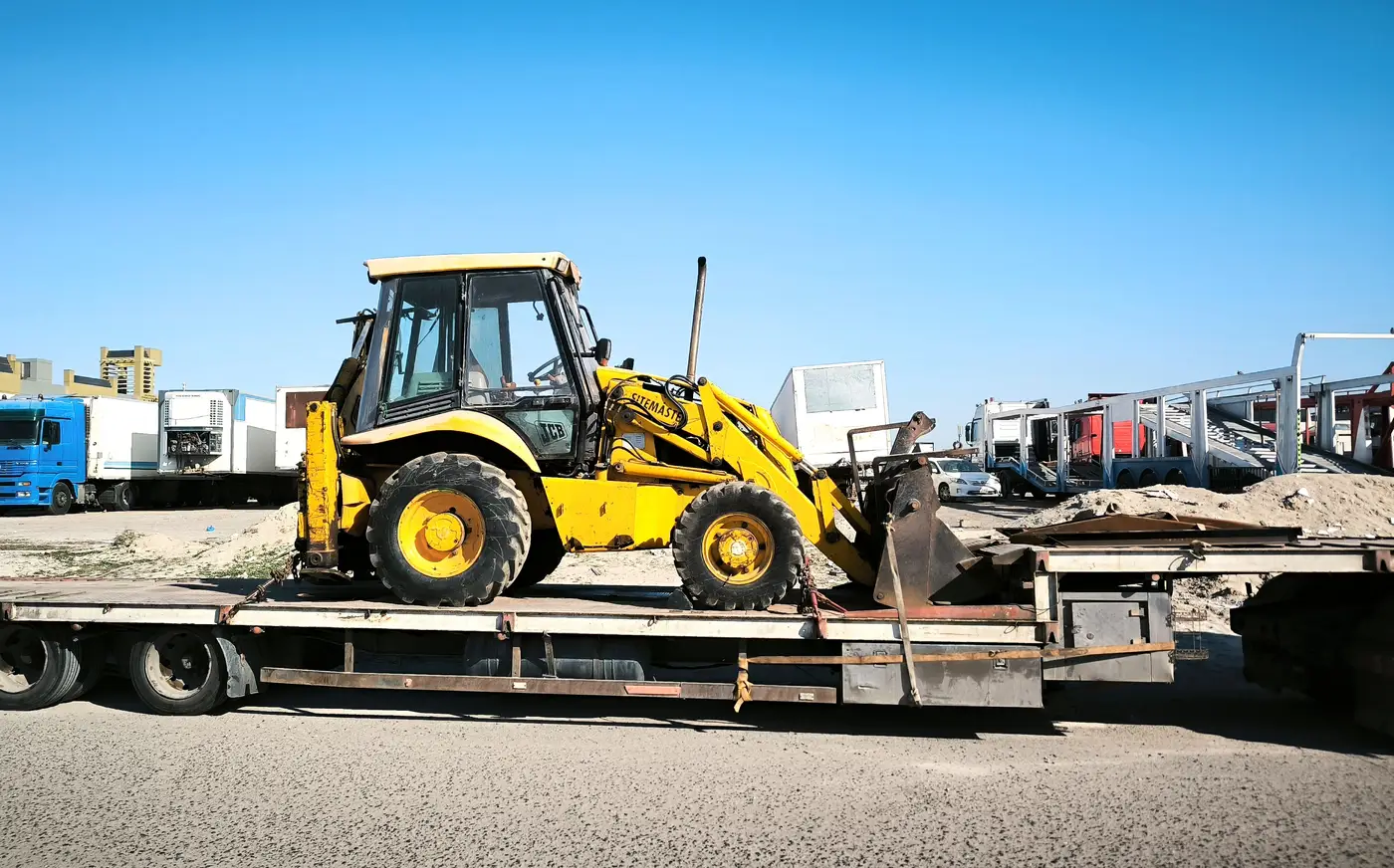
Every quarter the disposal list lands on your desk and it's the same fight: auction the unit now, or roll it into a trade-in deal on the next equipment order. Get it wrong either way and you leave money on the table. Here's how branch managers and regional fleet leads at rental companies work through that call when the utilization numbers they've got don't cover the whole yard.
A unit ends up on the disposal list for one of two reasons. Either it's genuinely idle, parked with no draw for months, or it's cycling through jobs at a rate that doesn't cover its cost of capital anymore. Those are different problems. If it's truly dead weight while comparable units at another branch are booked solid, redeploying it protects more residual value than selling it at a discount to a wholesaler, before auction or trade-in paperwork even enters the picture. If it's working but underperforming, that's when the auction-versus-trade-in math starts.
When auction makes more sense than trade-in
Auction tends to win when the unit is older than your typical trade-in window, when the OEM or dealer isn't offering much of an allowance on that model line right now, or when you need cash rather than a credit against new iron. A ten-year-old compact track loader with high hours and no manufacturer incentive on a replacement usually nets more at auction, especially if demand for that class is running hot regionally. Auction also gives you control over timing. You can hold for a seasonal spike, spring for earthmoving gear, fall for landscaping equipment, rather than taking whatever allowance a dealer quotes you today.
When trade-in makes more sense than auction
Trade-in usually wins when you're already placing a fleet order and the dealer's allowance is padded to move new units off their lot. It also wins on units with mechanical issues you'd rather not disclose and warrant through an auction listing, since the dealer absorbs that risk as part of the deal. And it's faster: no consignment period, no buyer's premium eating into your net, no waiting on an auction calendar that might be six weeks out.
The trap is defaulting to trade-in because it's less paperwork. Run the numbers on both paths before anyone signs.
The step most reviews skip
None of this matters if the unit you've flagged isn't actually the problem unit. A lot of fleets build this disposal decision off a utilization report pulled from whatever telematics units happen to report in. On a mixed fleet with older iron and rental-return units missing modems, that leaves half the yard as a blind spot. A unit can look idle on paper because its tracker went dark eight months ago, not because nobody's renting it.
That's the gap Asset Utilisation Monitor was built to close. It compares imagery of your yards and job sites from one pass to the next, checks whether the ground around a unit shows the disturbance you'd expect from active work, and flags which units are sitting versus earning, no telematics required. Run that against your disposal list before the auction consignment deadline and you catch units that are working off-grid instead of just quiet on a dashboard.
Get the idle list right first. The auction-or-trade-in call gets a lot easier to defend to finance once you're confident every unit on it is genuinely parked.
If your disposal list is built on a telematics gap instead of a real look at the yard, it's worth a few minutes to see what Asset Utilisation Monitor would flag across your sites.