19 October 2026
Field notes: the yard that looked full but wasn't working
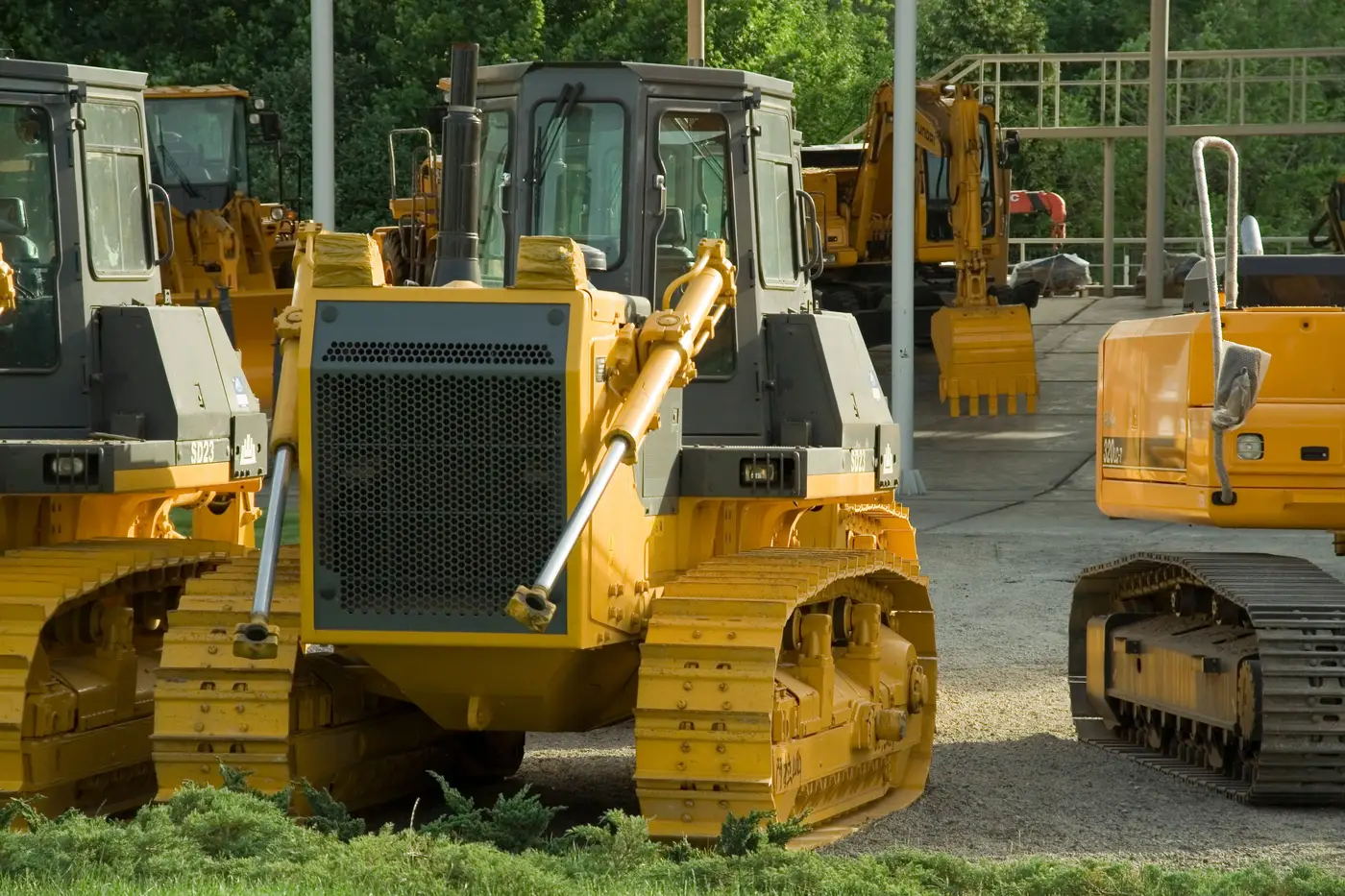
A branch manager walked me across his yard last spring and said, "We're full right now, which is good and bad." Forty-some units parked nose to tailgate: skid steers, a row of scissor lifts, a few compactors still wearing job stickers from three sites back. Visually, it read as healthy. A yard with metal in it feels like a yard doing business.
Three weeks later I was back for an unrelated reason, and the yard looked almost identical. Same rough footprint, same rows, same general sense of a branch holding its ground. Except it wasn't. About a third of what I'd seen in spring hadn't moved an inch. The tire ruts leading into those spots had gone soft at the edges and started to green over.
The gravel under two of the compactors hadn't been disturbed since they'd been set down. Everything else around them showed the normal churn of a working lot: fresh tracks, compacted lanes, the scuffed gravel pattern you get when a telehandler backs in and out a dozen times a week.
This is the part of fleet management nobody puts in a slide deck: a full yard and a working yard are not the same claim, and from the office you can't tell them apart. You can tell them apart from the ground, if you walk it, but walking it is expensive in a way that never shows up as a line item. It's a day of someone's time, a tank of gas, and the branch manager's patience for being shadowed. Multiply that across a region with a dozen yards and you understand why most windshield surveys happen once a quarter if you're lucky, once a year if you're honest about it.
The telematics-equipped half of the fleet made this easier in theory. Pull the utilization report, sort by hours, flag anything under threshold. But the report only tells you about units that have a box on them, and at a lot of rental companies that's still well under half the fleet, especially on older iron bought secondhand or acquired in a roll-up. The rest is a guess informed by whoever last drove past that row and happened to notice.
What struck me at that branch wasn't that units sat idle. Units sit idle everywhere, for good reasons and bad ones, waiting on a repair part or a next job that got pushed a week. What struck me was how long a yard can look full and active to anyone passing through, while a chunk of it hasn't turned a wheel in weeks. The visual cue everyone relies on, metal on the lot, is exactly the thing that masks the problem. A yard that's 70% idle can look busier than one that's genuinely humming, if the idle units happen to be parked in the rows closest to the gate.
That's the gap we built Asset Utilisation Monitor to close, comparing imagery of the same yard week over week and reading the ground itself: which spots show fresh disturbance and which have gone still, regardless of whether the unit sitting there has a telematics box or not. It won't tell you why a compactor hasn't moved, that's still a phone call to the branch, but it tells you which rows are worth the call before you spend a day driving out to find out yourself.
The branch manager moved eleven units to a yard forty minutes away the following month, once he saw the rows that had stalled out. The yard still looks full. It's just full of the right thing now.
If you're tired of guessing which rows in your yards are earning their keep, take a look at what a weekly ground-truth pass can show you.