16 November 2026
Field notes: the branch that kept ordering skid steers while three sat idle across town
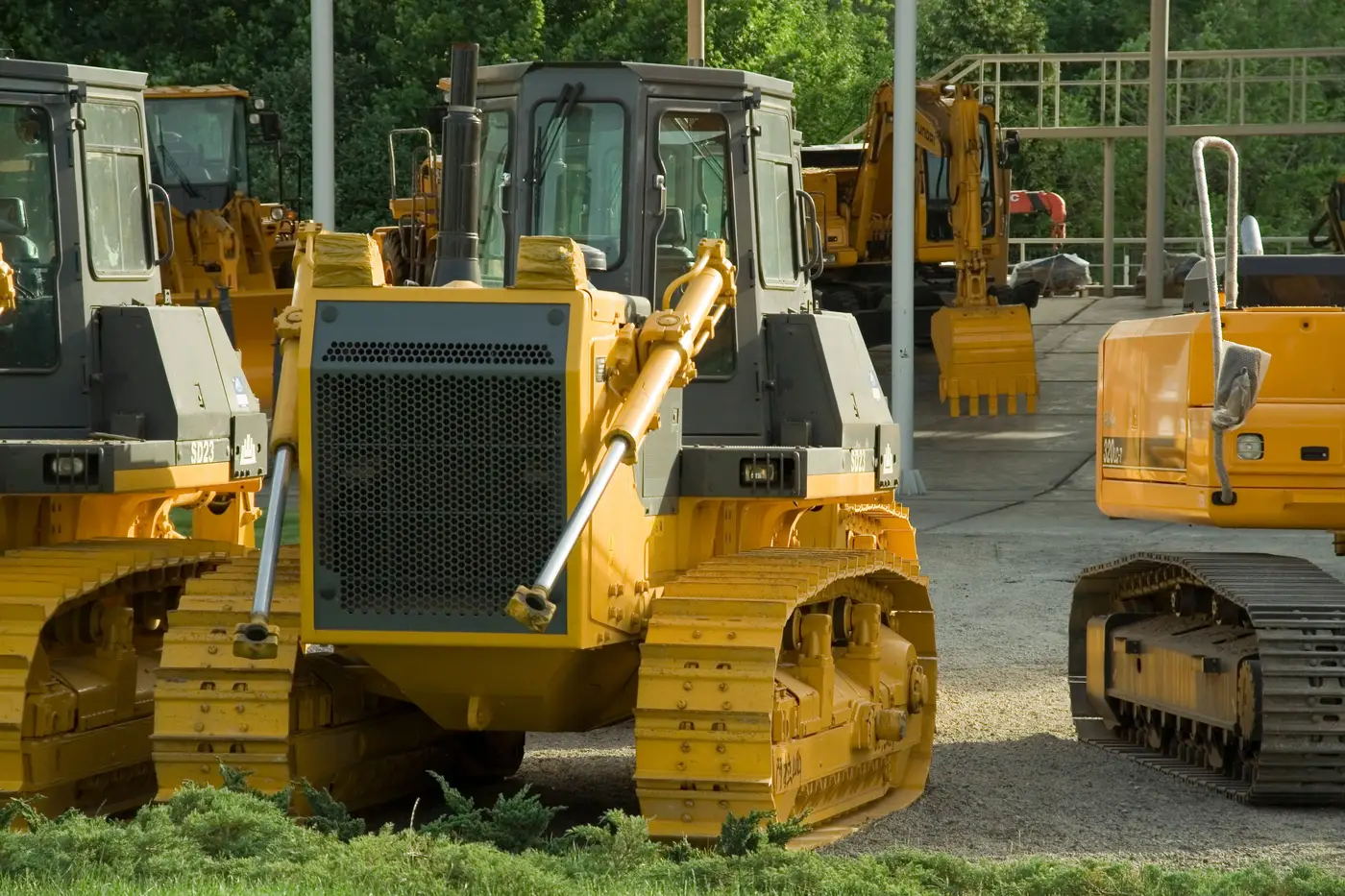
It's a pattern that shows up often enough across regional fleets that it's worth writing down, even though every branch manager who's lived it swears it's a one-off at their shop.
A branch is short on skid steers for a stretch of commercial builds. The district manager fields the call, checks the order board, and does what the order board tells him to do: puts in a requisition for two more units. Lead time being what it is, the units ship in six weeks. Meanwhile, twelve miles across town, another branch has three skid steers sitting on hardstand because a project wrapped early and nobody flagged it back up the chain.
Nobody lied. Nobody fudged a report. The utilisation sheet at the second branch just hadn't been touched since the job ended, because updating it depends on someone remembering to log a machine as idle instead of on the machine telling anyone itself. On units with telematics, this gets caught almost by accident, somebody glances at an hours-run dashboard and notices the number's flat. On the rest of the yard, and on a lot of older iron that was bought secondhand or came in through an acquisition without a retrofit budget, there's no automatic tell. The only record is whatever a yard foreman typed into a spreadsheet three weeks ago, which is to say: the record is whatever the foreman remembered to type.
The six-week wait costs real money on its own, but the bigger cost sits in the gap between branches. The fleet carries depreciation and insurance on three idle units at Branch B while paying for two new ones at Branch A, and the P&L never connects the two line items because they live in different branch reports reviewed by different people on different weeks. A regional fleet manager doing a quarterly utilisation pass might catch it. A regional fleet manager doing it weekly almost never does, because weekly manual reconciliation across a dozen branches isn't really a job, it's a second job, and it loses to the actual job every time.
What makes this particular pattern stubborn is that it doesn't look like a telematics gap from the inside. Telematics gaps look like missing data: a blank cell, a unit that never reports hours. This looks like a reporting lag instead, a foreman who's three weeks behind on an update, which feels fixable with a stern email rather than with new instrumentation. So the fix that usually gets tried is a reminder to keep the spreadsheet current, which works for about a month.
Idle time is a physical fact before it's a data fact. A machine that hasn't moved in three weeks has a visible footprint: no new tracks, no disturbed ground around it, same position pass after pass. That's true whether or not it has a modem in it. It's the kind of thing you'd catch walking the yard yourself, if walking every yard every week were a realistic use of anyone's time. We built a weekly satellite pass that compares each yard against its last visit partly because of stories like this one. It flags which units moved and which didn't, no transponder required, so a utilisation gap at Branch B shows up before the requisition goes out at Branch A, not six weeks after.
None of this requires blaming the foreman or auditing the spreadsheet process. A weekly manual count across every branch in a region asks too much of one person's memory and a shared drive, no matter how conscientious that person is. The units sit exactly where they were left, in plain view, waiting for someone or something to notice.
If this story sounds like last quarter at your shop, it's worth seeing what your own yards look like from above before the next order goes in.